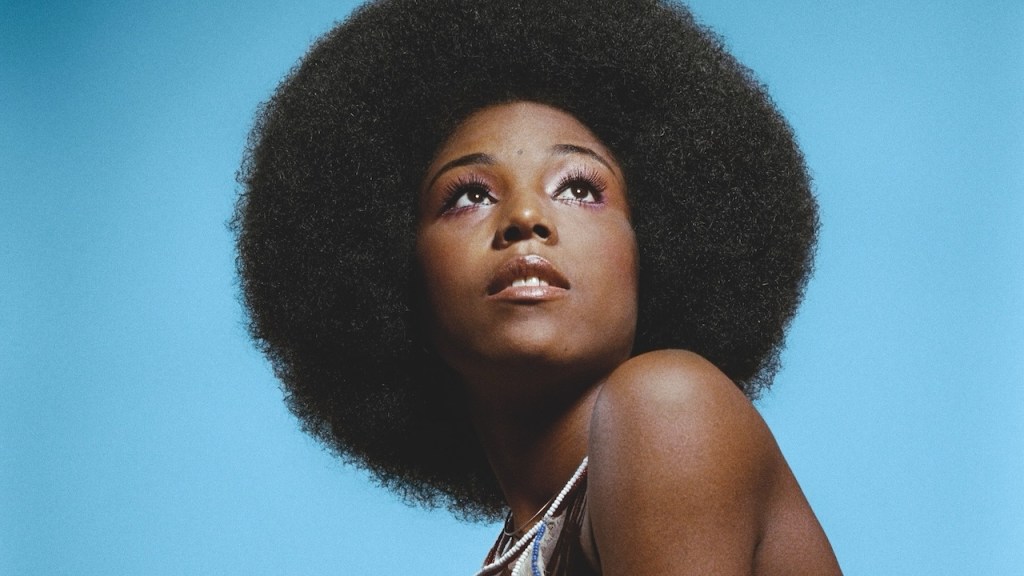
Yemi Bamiro’s Black is Beautiful: The Kwame Brathwaite Story, isn’t just a portrait of an artist but a powerful reflection on identity, pride and the impact of Black creativity.
In a world where current politics are in turmoil, Black is Beautiful: The Kwame Brathwaite Story feels more necessary than ever. “This documentary is more significant today than it was when we started making it two years ago” director Yemi Bamiro shares. The film, which recently debuted at the London Film Festival (2025), follows the untold story of Kwame Brathwaite and his contributions to the ‘Black is Beautiful’ movement, which began in 1962. In recent years, political discourse has become more focused on matters of race and identity. “Personally, I feel quite worried because this film doesn’t apologise for what it is” Bamiro revealed “it kind of dares to put its head above the parapet and say, this is who I am”. A stance that feels defiant, but necessary, much like the movement Brathwaite helped ignite.
Whilst it sparks an important discourse, the film’s main purpose is to celebrate the life and work of Brathwaite – an artist who didn’t receive his flowers for most of his life. That began to change in 2019, with the release of the book Kwame Brathwaite: Black is Beautiful, a book that took his family a year to convince him to grant them access to his archive for. This publication brought renowned recognition to Brathwaite and his family, eventually resulting in the creation of the documentary. Like the book, the film draws on Brathwaite’s own photographs, stating both at the beginning and the end of the film that every photo used is either taken by Brathwaite or of him. This gave Bamiro full access to the artist’s extensive archives bringing greater depth to the story being told. Selecting the photos wasn’t easy, Bamiro confessed, describing it as a “living, breathing treasure trove with new discoveries everyday”. At the time of editing, only 10% of the collection had been discovered, meaning that the team had to actively seek out images to help illustrate the narrative, a feat that proved entirely worth it in bringing Brathwaite’s story to life.
In revisiting Brathwaite’s legacy, Bamiro also invites reflection on how themes of identity and representation continue to evolve today. His decision to interview a range of participants – from family members such as his wife Sikolo Brathwaite and his son Kwame Braithwaite Jr. as well as artists like Alicia Keys and Jesse Williams who were inspired by his work, highlighting the lasting effects Braithwaite the ‘Black is Beautiful’ movement have had on contemporary culture. Each interview brings another layer to his story, with his family offering intimate reflections on his life and creative process, whilst artists like Keys and Williams connect to his message of the pursuit of Black self-expression today. Although, Braithwaite’s work went unrecognised for some time, the movement continued to inspire and influence generations long after it began. In capturing these voices, Bamiro not only honours Braithwaite’s contributions but also ensures that his message, that Blackness is inherently beautiful, remains as vital and visible as possible.
However, in celebrating Brathwaite, Bamiro emphasises that this film is also a love story between Brathwaite and his wife, Sikolo, a former Grandassa Model who herself played a part in the ‘Black is Beautiful’ movement. Whilst their partnership was personal and creative, Sikolo made personal sacrifices to support his career, “she’s really selfless in that sense” Bamiro added explaining how she was the person to hold things down when he went away on jobs, “if it wasn’t for her, he couldn’t have gone and done these things and made this huge contribution”. Through the interviews and archival photos, this documentary captures quiet moments of intimacy alongside iconic photos, showing how she was his muse and strengthened his commitment to portraying Black beauty with pride. For Bamiro, this love story is integral to the narrative, revealing the heart behind the movement, whilst reminding audiences that Brathwaite’s legacy was as much about connection as it was artistry.
Beyond its intimacy and emotion, Black is Beautiful, ultimately serves as a wider reflection on legacy, not only Brathwaite’s but the artists whose stories remain untold. “This film is needed; there are other people like Kwame, like unsung heroes who haven’t necessarily got their flowers” Bamiro explained, when reflecting on the importance of the documentary today. “I feel If this film can be a jumping point for other films to be made about under appreciated people that have made huge contributions to culture or literature or art then that’s a really good thing.”
Through making the documentary, Bamiro encourages filmmakers to tell these untold stories and inspires audiences to connect with these legacies in their own way. By debuting the film at the London Film Festival, he ensured Brathwaite’s work reached an international audience, amplifying its impact even further.
By bringing Brathwaite’s story to the big screen, Bamiro ensures that his legacy and the movement he helped ignite continues to inspire. Black is Beautiful: The Kwame Brathwaite Story doesn’t just look back but encourages us to keep the conversation alive.
Thank you to the BFI for the interview opportunity.
 rosie reviews